.webp&w=128&q=75&dpl=dpl_3CsASgwe8wuWZi7dLRJMngod922y)
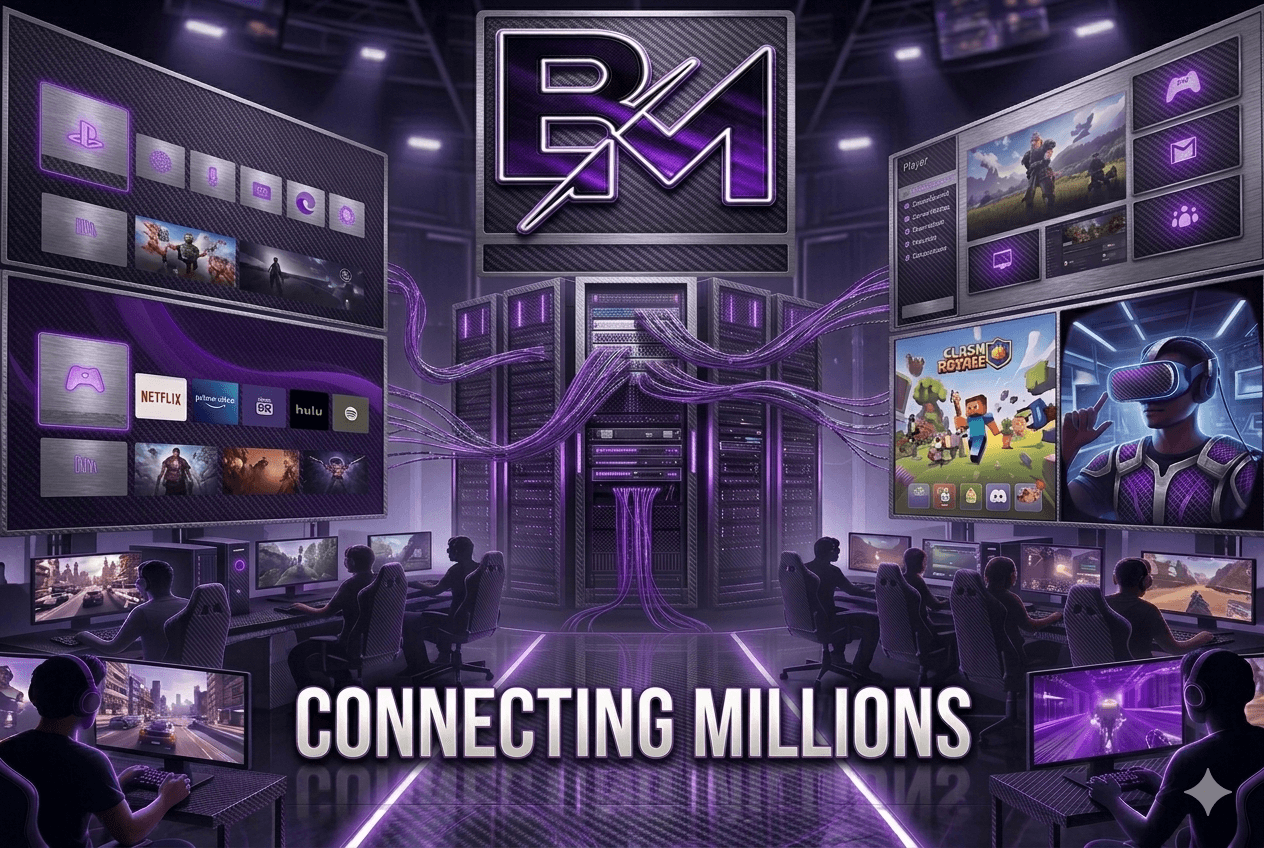
Exploring the Largest Online Gaming Platforms: Where Millions of Gamers Connect
Online gaming has grown into something nobody could have predicted even a decade ago. What started as a hobby for a specific type of person has become one of the largest entertainment industries on the planet. The platforms at the centre of this growth have built ecosystems that connect millions of players across every region, age group, and play style. Here is a look at the biggest of them and what makes them scale.
What Scale Looks Like in 2026
The numbers attached to the largest gaming platforms are genuinely staggering. Steam has over 130 million active monthly users. Roblox reports over 80 million daily active users. Fortnite has crossed 350 million registered accounts. Minecraft, across all platforms, has sold over 300 million copies. These are not niche numbersthey are comparable to the audiences of major television networks and streaming services.
What makes gaming platforms different from passive entertainment is that players are not just consuming contentthey are interacting with it, with each other, and with the platform itself. The engagement depth is significantly higher than a streaming service.
Steam: The PC Standard
Steam's scale is built on a simple foundation: the biggest selection of PC games anywhere, combined with a social and community layer that integrates directly into gameplay. Players can see what friends are playing in real time, compare achievements, trade items, and access forums for every game on the platform. The library alone is not what makes Steam the dominant PC platformit is everything around the library.
Mobile Gaming Platforms
The App Store and Google Play are the largest gaming distribution platforms by player count, even if they are not dedicated gaming platforms in the traditional sense. Mobile gaming accounts for over half of global gaming revenue in 2026. The accessibility of smartphones has brought gaming to demographics that would never buy a console or gaming PC. In many developing markets, mobile is the only gaming platform that matters.
Within mobile, individual games like PUBG Mobile, Free Fire, and Honor of Kings have player bases that dwarf most console or PC titles. The scale of mobile gaming is often underestimated in conversations that focus on console and PC platforms.
Console Networks: PlayStation Network and Xbox Live
PlayStation Network and Xbox Game Pass/Live have built their scale through exclusive titles and subscription services. PlayStation Network has over 110 million monthly active users, driven by the PS5's strong game library and PlayStation's reputation for narrative-driven exclusives. Xbox has focused more aggressively on Game Pass as a subscription service, trading individual game sales for a recurring subscriber base that now exceeds 35 million.
Sweepstakes and Social Gaming Platforms
Within the casual and sweepstakes gaming segment, platforms like Big Money Gaming have captured a growing share of adult casual gamers who are not interested in the time commitment of console gaming but want something more engaging than mobile puzzle games. The sweepstakes model creates a distinctive kind of platform that combines entertainment with the possibility of prize redemption, all without the regulatory requirements of traditional online gambling.
The scale of this segment is smaller than the major console and PC platforms but it is growing rapidly, particularly in the United States where sweepstakes gaming is legal in most states.
What Connects Players at Scale
Every large gaming platform shares a characteristic: it is not just about the games. The community, the social features, the shared identity, and the consistent return loop are what separate platforms that grow from platforms that plateau. Players connect to other players, not just to content. The platforms that have figured this outSteam, Discord, Roblox, Twitchare the ones that keep growing year over year.
The next wave of large gaming platforms will likely be built around immersive social experiences, user-generated content, and cross-device play. The platforms that cannot bridge the physical and digital gaming experience will find it increasingly difficult to compete for the time of players who can choose from hundreds of options.